Collection: The Last Supper by TRP 1.0
Illuminating the Heritage of the Patriarchs
1. Artistic Style & Visual Composition
-
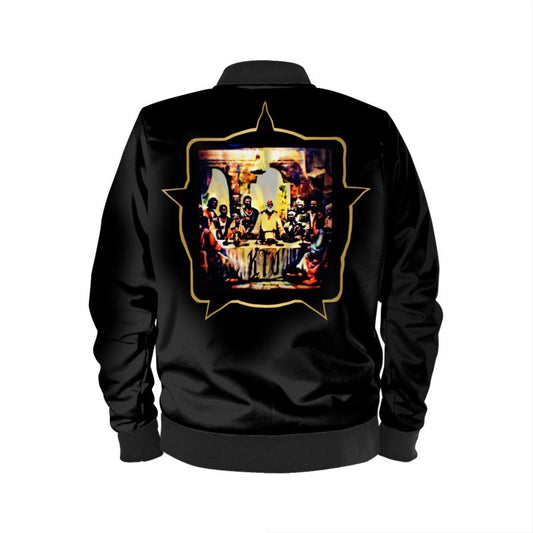
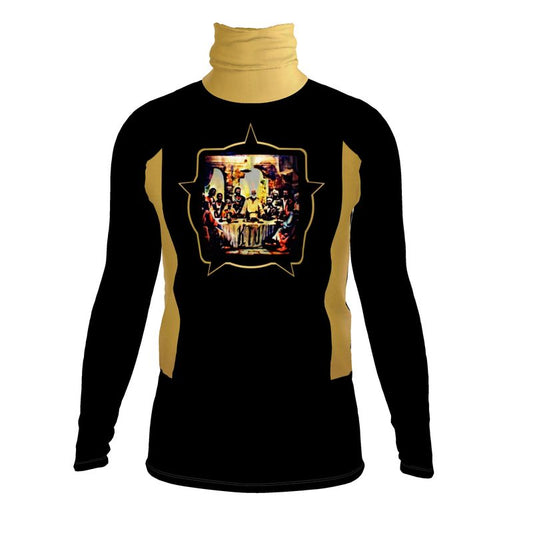
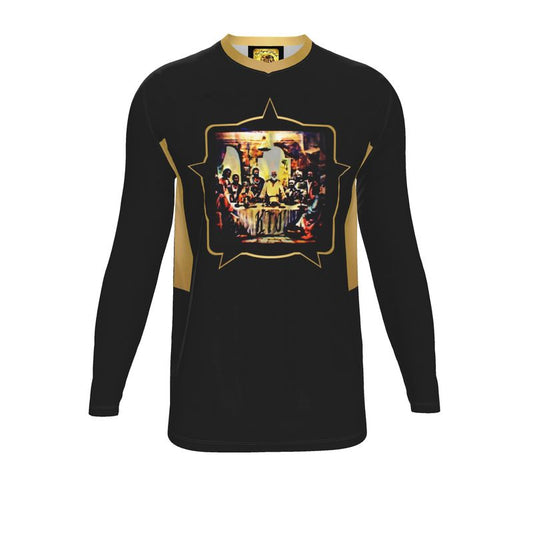
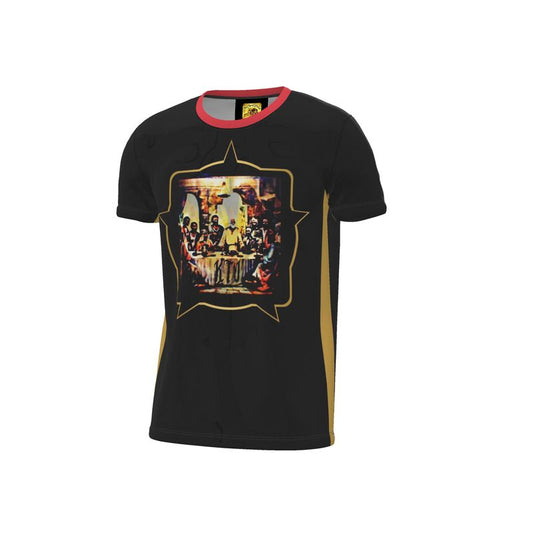
Digital Chiaroscuro & High-Contrast Realism: The artwork employs extreme light and shadow contrast (chiaroscuro) combined with a stylized, digital filter aesthetic. The central figure and tablecloth are bathed in radiant light, while deep blacks and dark tones envelop the surrounding space, casting dynamic shadows across the figures.
-
Gothic & Calligraphic Influences: On the tablecloth, the prominent stylized monogram "KTJ" features elaborate, dark gothic lettering, adding a solemn, authoritative focal point to the center.
-
Emblematic Framing (Image 2): The second variation frames the scene within a geometric star-burst or compass-like motif edged with gold, transforming the rectangular narrative scene into a modern badge, seal, or emblem.
2. Biblical Hebrew Interpretation
Viewed strictly through ancient Biblical Hebrew scripture (Tanakh / Old Testament concepts):
-
The Central Figure (Light & Purity): Standing prominently in luminous white/gold robes, the central figure embodies the concept of the Shekhinah—the visible, radiant presence of the Divine Glory (Kavod). In Hebrew scripture, light represents truth, purity, and divine revelation (e.g., Psalm 27:1, "YHWH is my light and my salvation").
-
The Table & Covenant Fellowship (Berith): The central table loaded with bread and chalices aligns with the ancient Hebrew practice of sealing covenants through shared meals (Se'udat Mitzvah or covenantal feast). Eating bread and drinking together signifies solemn brotherhood, unity, and mutual loyalty under divine witness.
-
Figures of Dark Outer Skin: In Biblical Hebrew lineage narratives, the dark-skinned figures mirror original ancient Near Eastern and Semitic populations, emphasizing authenticity to the ancient ancestral roots of the patriarchs and tribes of Israel.
-
The Monogram "KTJ": While modern, the dark lettering placed at the center of the altar/table functions like an inscription on the Mishkan (Tabernacle) vessels—a mark designating ownership, identity, or sacred dedication.
3. Hebrew Symbolism of the Color Palette
In Ancient Hebrew tradition, colors carried specific spiritual, sacred, and functional meanings:
| Color |
Visual Presence |
Ancient Hebrew Symbolic Meaning |
| White / Radiant Gold |
Central figure, glowing background light, tablecloth |
Represents Purity (Tehor), Holiness (Kodesh), and Divine Glory (Kavod). Gold (Zahav) was used in the Ark of the Covenant to signify sovereignty and divine presence. |
| Deep Red / Rust |
Robes of surrounding men, floor ambient glow |
Symbolizes Atonement, Covenant Blood (Dam), and Earthly Life (Adamah). Red connects human vitality directly to covenant sacrifice and earthliness. |
| Deep Black / Shadows |
Outer border, heavy shadows, "KTJ" text |
Represents Mystery, Sovereign Concealment, and Sacred Authority. In Hebrew texts, God often speaks out of the dense darkness (Arafel, Ex. 20:21), signifying unapproachable majesty. |
| Earthy Earth Tones / Ochre |
Stone walls, arched doorways, tables |
Symbolizes Foundation, Endurance, and Covenant Soil. It roots the divine event in tangible human history and the land. |