Collection: Hebrew Woman (01): Refined in Gold, Rooted in Strength
Virtue, Strength, and Sacred Elegance
Art Style Analysis
-
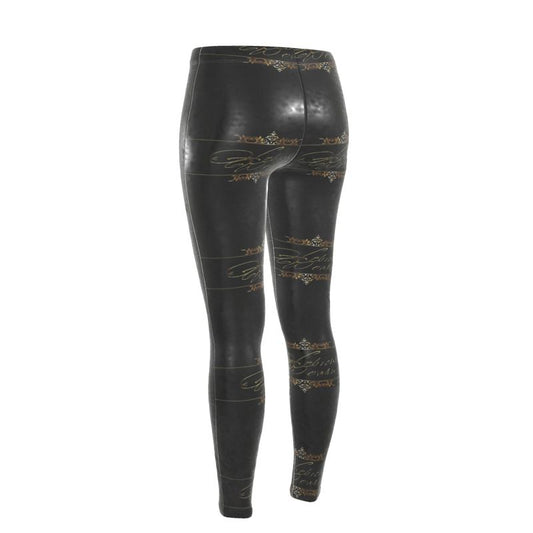
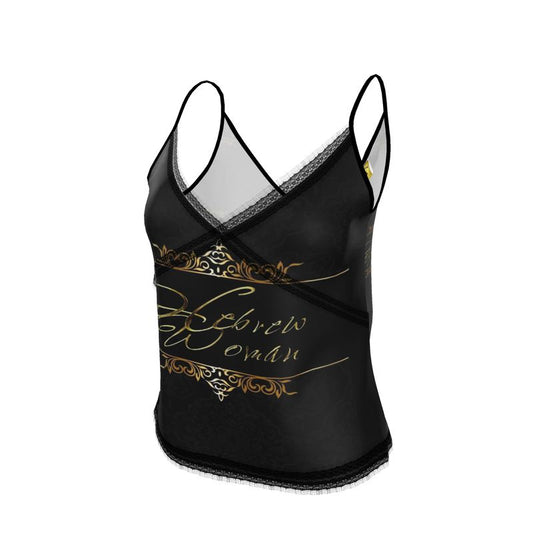
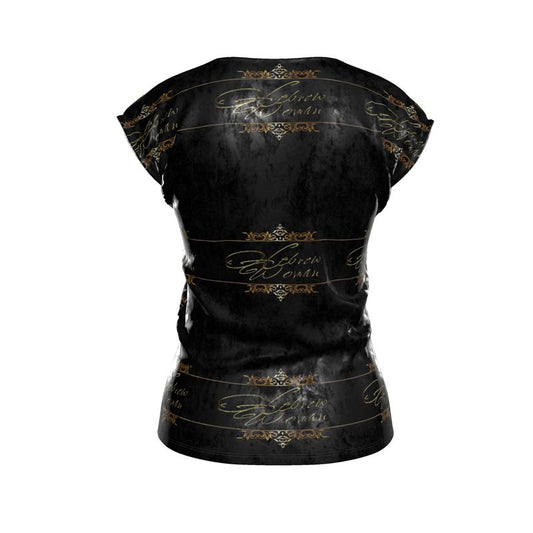
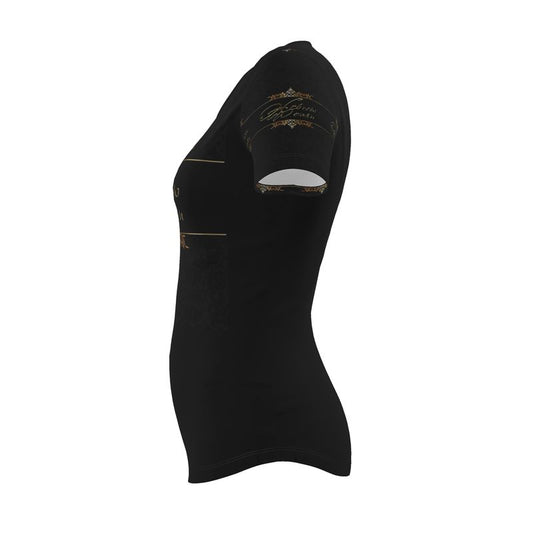
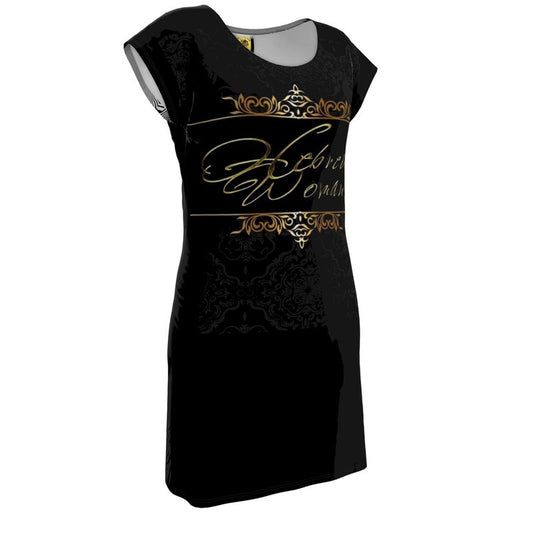
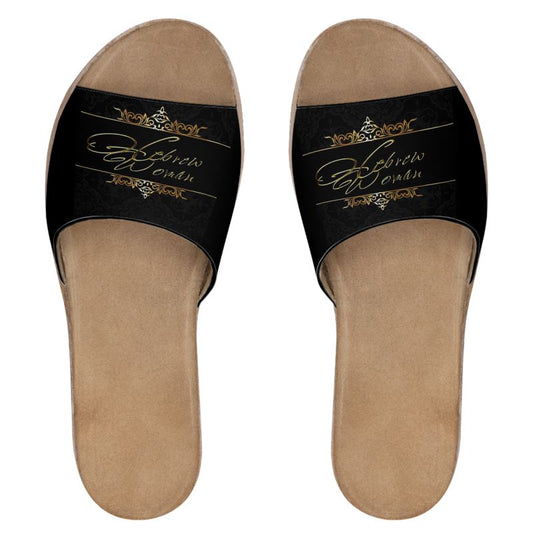
Modern Maximalist Luxury & Elegance: The design employs a high-contrast, opulent aesthetic combining formal script calligraphy with intricate filigree embellishments.
-
Ornate Damask/Brocade Backdrops: The background features subtle, dark damask patterning—a seamless, repeating floral and acanthus motif that adds depth, texture, and a sense of woven textile tapestry.
-
Symmetrical Framing: Horizontal metallic gold rules anchor the central typography, topped and bottomed with symmetrical scrollwork and crest-like filigree (vines/leaves). This creates an authoritative, emblem-like focal point that demands focus.
-
Fluid Calligraphy: The central text "Hebrew Woman" uses an elongated, continuous script where the letters "H" and "W" interlace in sweeping, stylized loops, reflecting movement, grace, and refined mastery.
Hebrew Symbolism & Biblical Interpretation
In the Hebraic worldview established throughout the Ancient Near East and biblical texts, visual art carries profound symbolic meaning through its composition, lineage, and structure.
1. Structure & Motifs: The Virtuous Royal Identity
-
Woven Tapestry (The Damask Background): In ancient Hebrew culture, fine woven work (m'aseh choshev) was the domain of high craftsmanship, noble garments, and sacred spaces. The dark woven pattern reflects the dignity of Proverbs 31, where the noble woman (Eshet Chayil) works skill into fine linen and purple garments, symbolizing preparation, honor, and enduring strength.
-
Filigree & Vine Scrollwork: The ornamental scrollwork framing the text evokes organic plant life, leaves, and vine tendrils. In Hebrew symbolism, the woman is frequently likened to a fruitful vine (gefen poriyah) within the heart of the house (e.g., Psalm 128:3), signifying life, flourishing, and spiritual beauty.
-
Symmetry & Order: The perfectly balanced crests reflect Seder (order) and Tiferet (adornment/splendor)—concepts of bringing beauty and structural harmony out of simplicity.
Hebrew Interpretation of the Color Palette
Gold (Zahav)
-
Refined Purity & Trials: Gold (zahav) in the Hebraic context represents that which has been tested, refined by fire, and proven pure (Job 23:10).
-
Royal Distinction & Holiness: It is the color of kingship, the sacred vessels, and royalty. Within this design, the metallic gold lettering elevates the status of the "Hebrew Woman," framing her not merely as ordinary, but as set apart, precious, and crowned with honor and glory (kavod).
Black (Shachor) & Deep Shadow
-
Mystery & Depth of Origin: Black (shachor) in Hebraic thought represents the deep, unsearchable, and hidden things before creation (Genesis 1:2). It signifies strength anchored in hidden roots.
-
Dignity & Reverence: Rather than representing lack, the rich black backdrop functions as the ultimate contrast—a canvas of humility and quiet strength upon which the gold shines brightly. It echoes Song of Solomon 1:5 ("I am dark/black, but comely..."), expressing a beauty that is striking, dignified, and rooted in deep mystery.
Overall Composition Summary
Together, the contrast of Gold against Black paired with Flowing Calligraphy and Plant-like Filigree frames the "Hebrew Woman" as a figure of high noble standing, spiritual fruitfulness, and quiet majesty—a blend of strength (oz) and dignity (hadar).