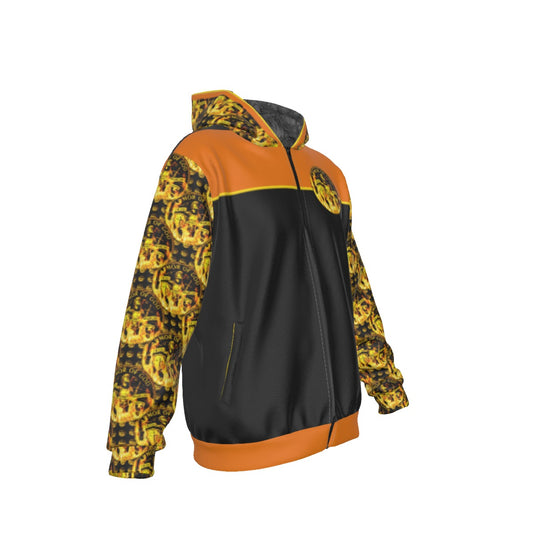
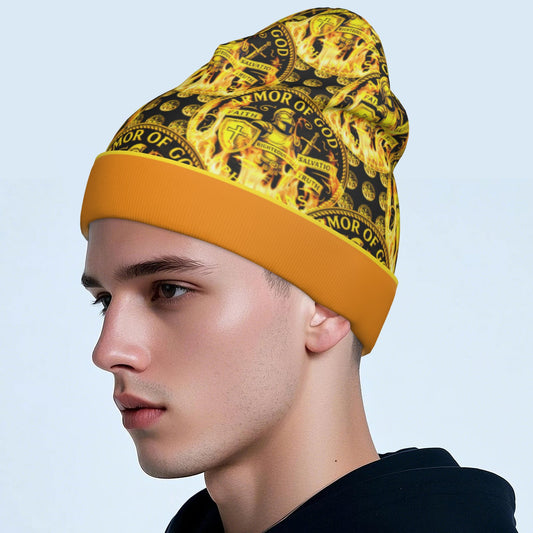
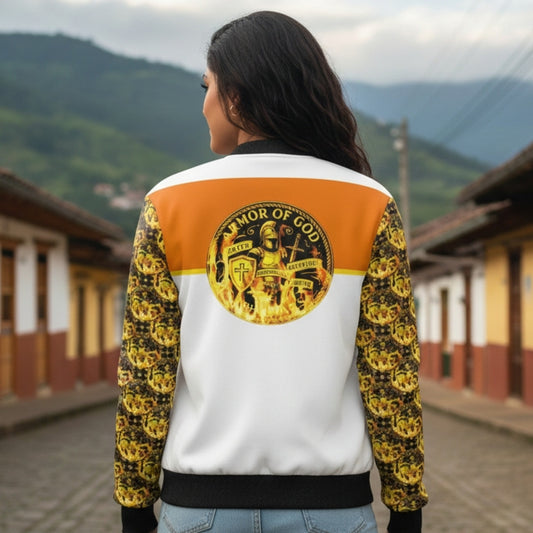
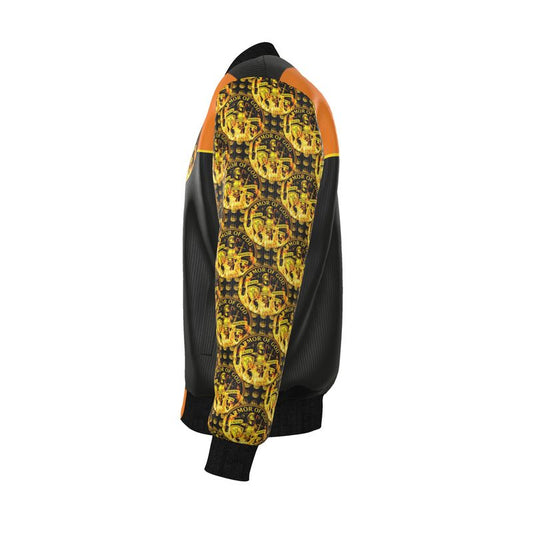
Collection: ARMOR OF GOD: The Spiritual Armor of Ephesians 6
A Visual Representation
This imagery serves as a powerful metaphor derived from Ephesians 6:10–18, blending martial symbolism with theological principles to illustrate the concept of spiritual protection and readiness.
🛡️ The Central Figure
The figure is depicted as a knight or soldier in classical armor, echoing the equipment of a Roman legionnaire. This historical parallel is intentional; the Apostle Paul likely drew inspiration from the Roman guards he encountered daily while writing his epistles.
⚔️ Key Components of the Armor
Each piece of equipment corresponds to a specific spiritual attribute essential for the believer:
| Armor Piece |
Spiritual Attribute |
Functional Significance |
| Belt |
Truth |
Holds the entire suit together and provides a foundation. |
| Breastplate |
Righteousness |
Protects the heart and vital organs from moral injury. |
| Shield |
Faith |
Used to "extinguish all the flaming arrows of the evil one." |
| Helmet |
Salvation |
Provides essential protection for the mind and thoughts. |
| Sword |
Word of God |
Known as the "Sword of the Spirit," the primary offensive weapon. |
🎨 Visual Themes & Symbolism
The artistic choices in the emblem reinforce the message of divine resilience:
-
Fire: The surrounding flames represent the "fiery darts" or trials of life, as well as the process of spiritual refinement and passion.
-
Gold & Light: The monochrome gold palette suggests purity, high value, and divine light—emphasizing that this protection is a gift from God.
-
The Circular Seal: The "coin" or badge format signifies identity, marking the wearer as a member of a specific kingdom or cause.
-
The Inscription: The word "Ephesians" serves as a direct citation, pointing the viewer toward the biblical source of the metaphor.
Summary
This symbol transforms ancient military gear into a modern icon of resilience. It encourages believers to remain "spiritually prepared" by relying on moral integrity and faith to navigate life's challenges.